Request a Quote
Ready to discuss your custom hat project? Please fill out the form or email us at info@keystonehats.com. Our team will respond within 6 hours.
Ready to discuss your custom hat project? Please fill out the form or email us at info@keystonehats.com. Our team will respond within 6 hours.

Choosing embroidery-ready hats makes the difference between professional, long-lasting logos and designs that pucker, distort, or wear out quickly. The hat’s crown shape, fabric weave, and internal structure directly impact stitch quality, tension, and final appearance. This guide helps embroidery businesses, decorators, and brands select hats that showcase their work at its best.
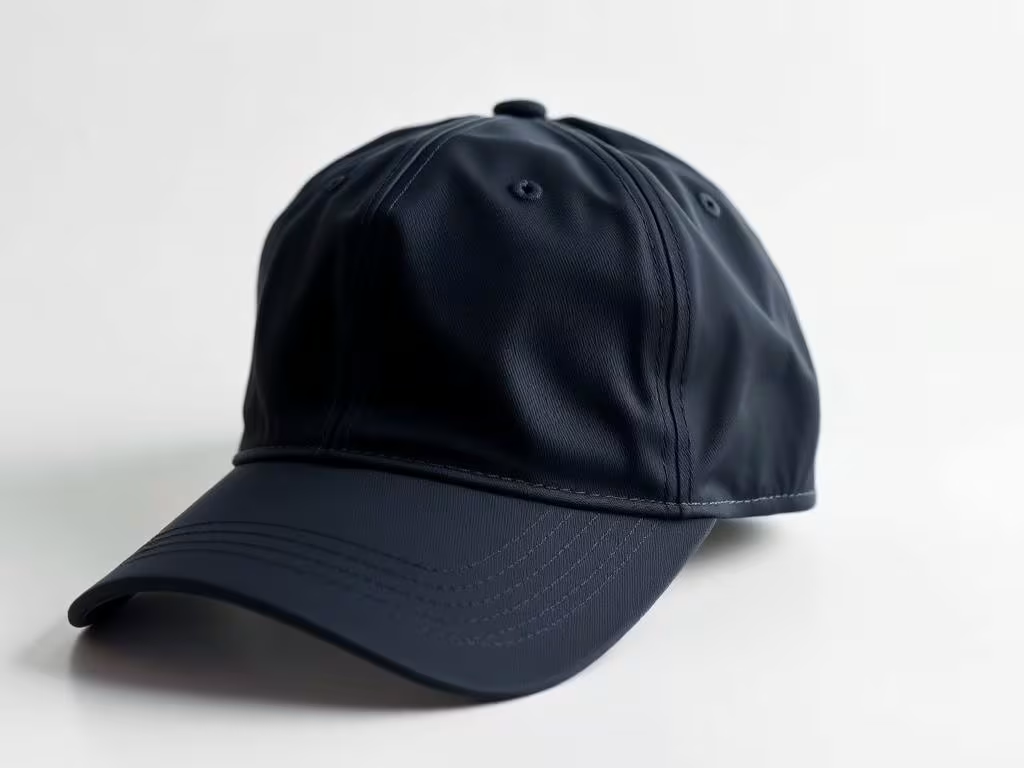
Hats with reinforced or lightly structured front panels maintain their shape, keeping dense stitching flat without collapsing, and ensuring logos remain crisp after multiple wears and washes. Look for light buckram reinforcement or firm cotton twill construction.
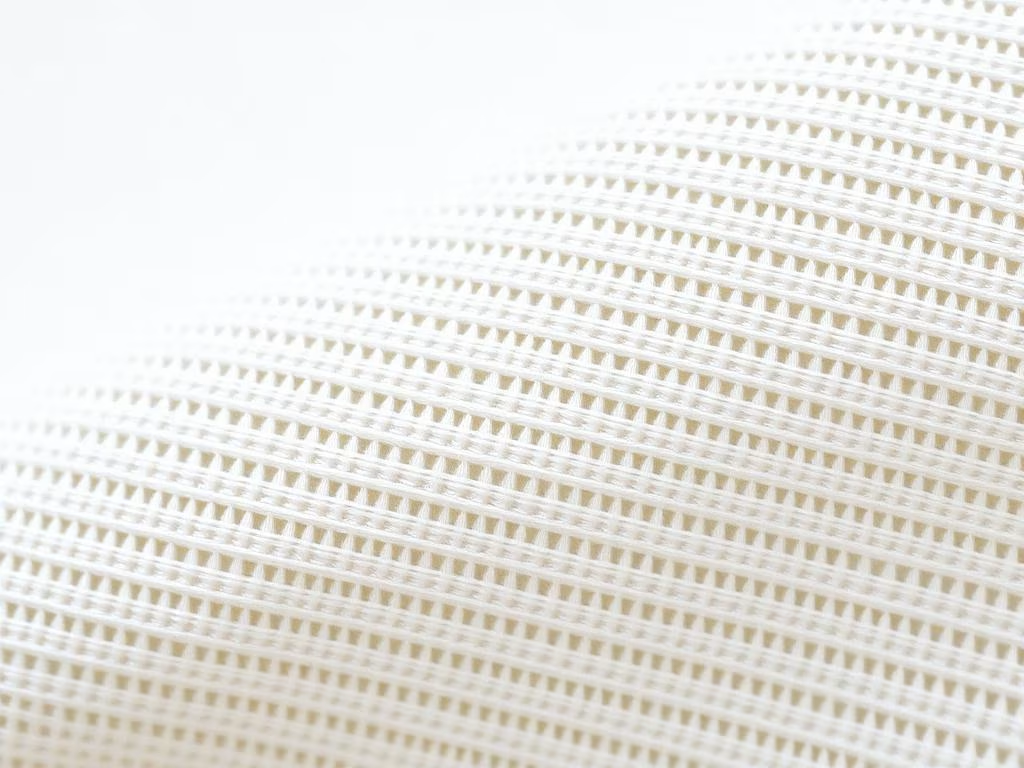
Fabrics with consistent, medium-tight weaves give embroidery needles smooth resistance, minimizing thread breaks, snags, and uneven lines during production. Cotton twill and poly-cotton blends excel in this category.
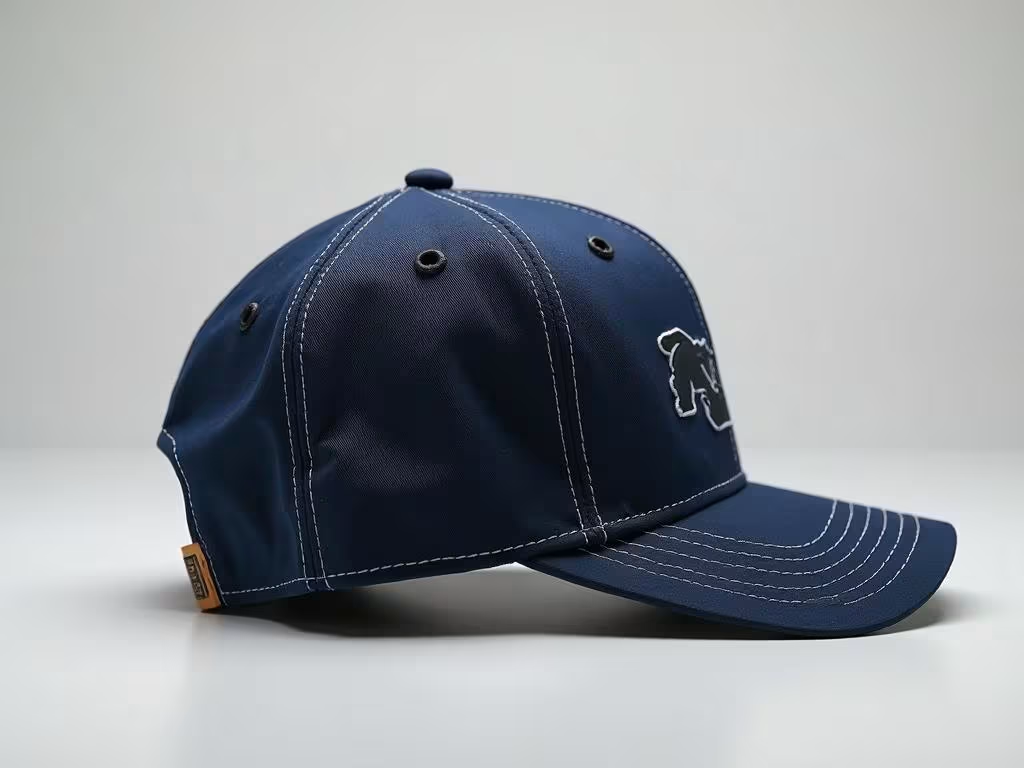
Mid-profile and low-profile crowns fit embroidery hoops more easily than very high crowns, reducing distortion around curved logo areas and simplifying production. Crown heights of 3.5-4 inches work best for most machines.
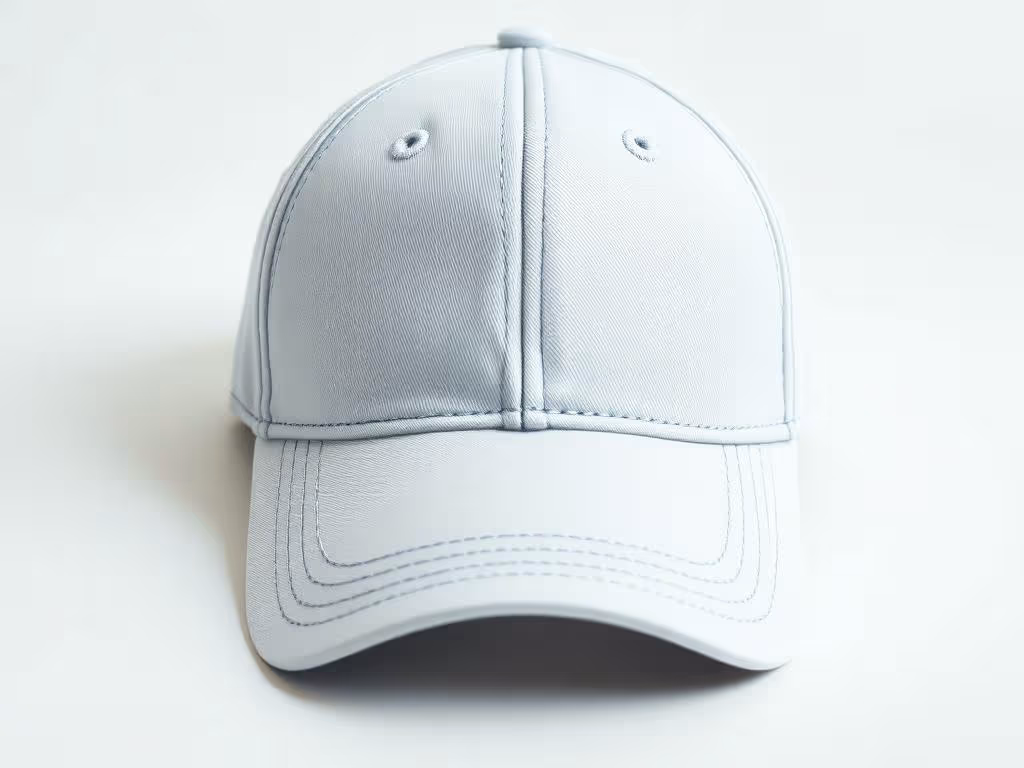
Hats designed with unobstructed front panels (no center seams or eyelets) provide maximum space for logos, text, or complex artwork without visual interference. Aim for 4-5 inches of clear front panel space.
Whether you are running a single-head machine or a multi-head industrial setup, we have the right ball caps for embroidery. Understanding the structure is key to selecting the right blank for your specific design file.
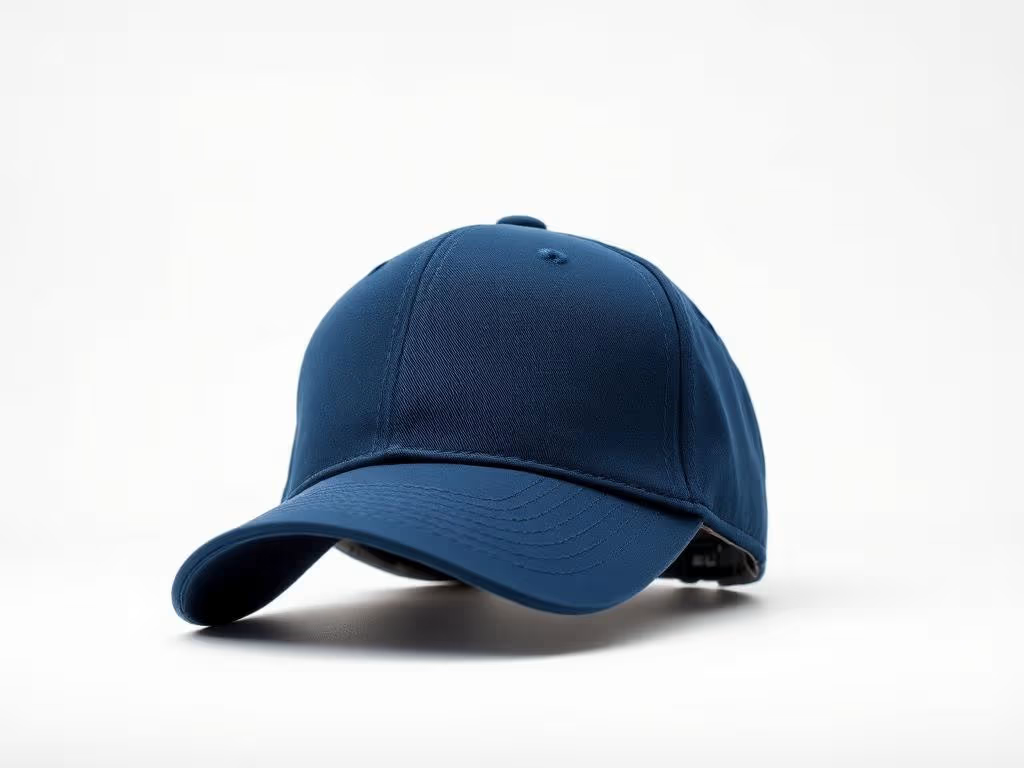
The stiff front panels support the foam used in 3D puff embroidery. The buckram holds the weight of the heavy stitching without collapsing, making it the standard for sports teams and corporate logos.
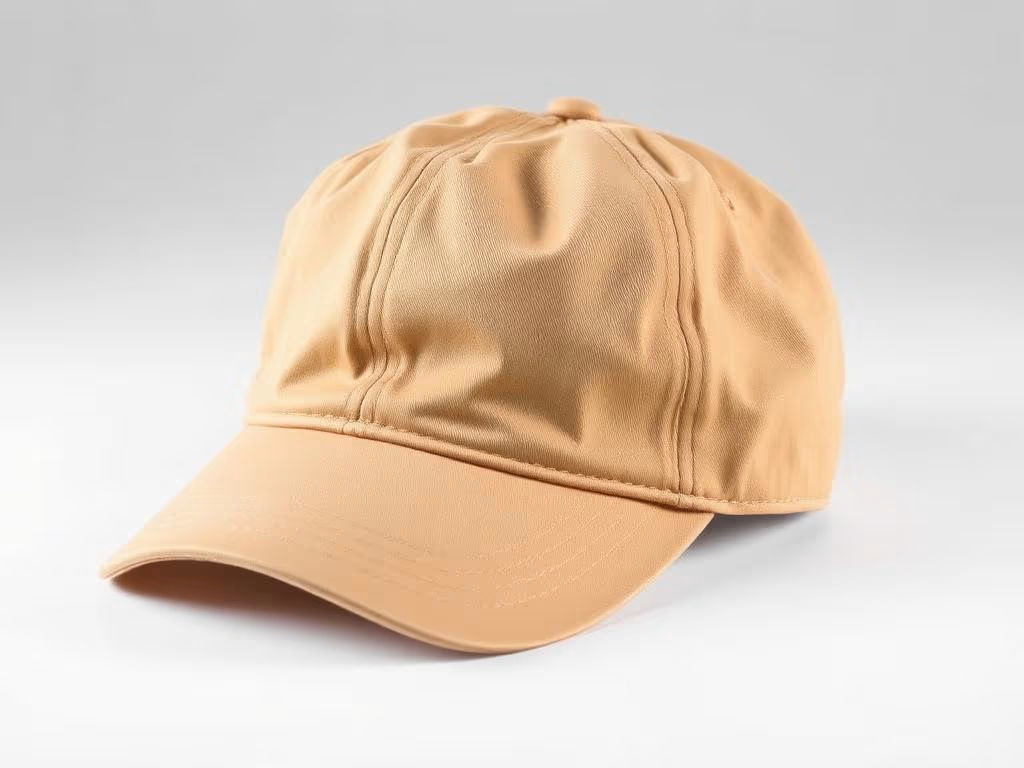
Soft and pliable. These blank caps for embroidery are best suited for flat stitching, vintage-style logos, or direct-to-garment text. They hoop easily and offer a relaxed, lifestyle look.
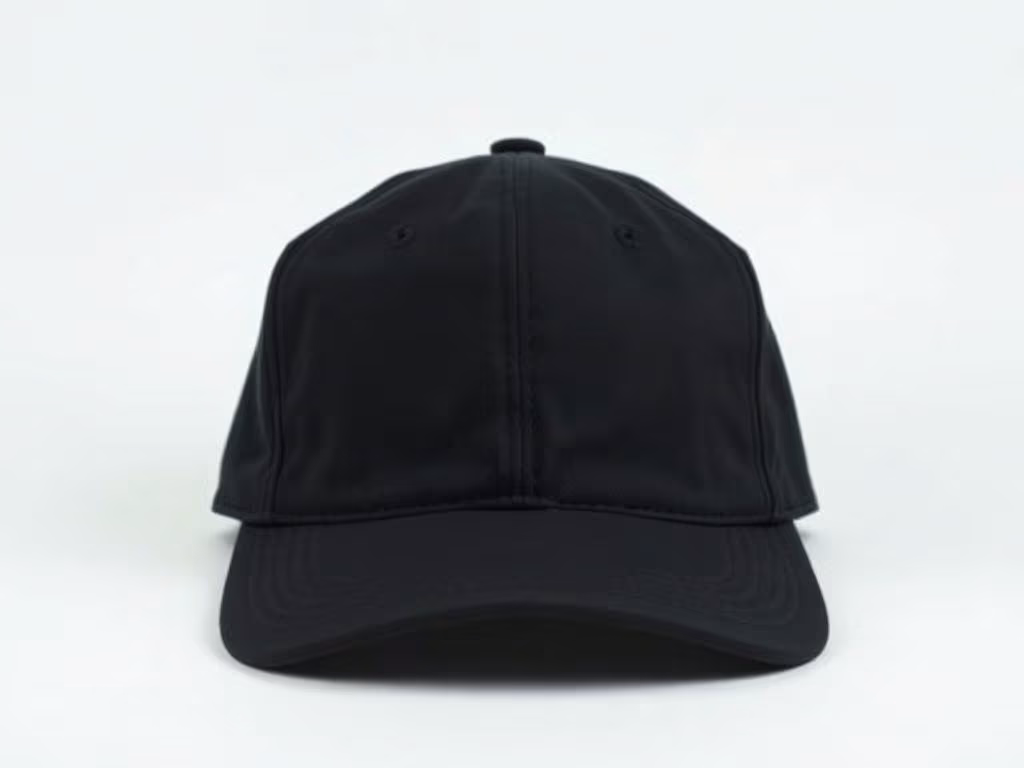
A hybrid favorite. It has the structure of a baseball cap but removes the center seam. This allows for uninterrupted embroidery across the front, ideal for wide text or detailed crests.
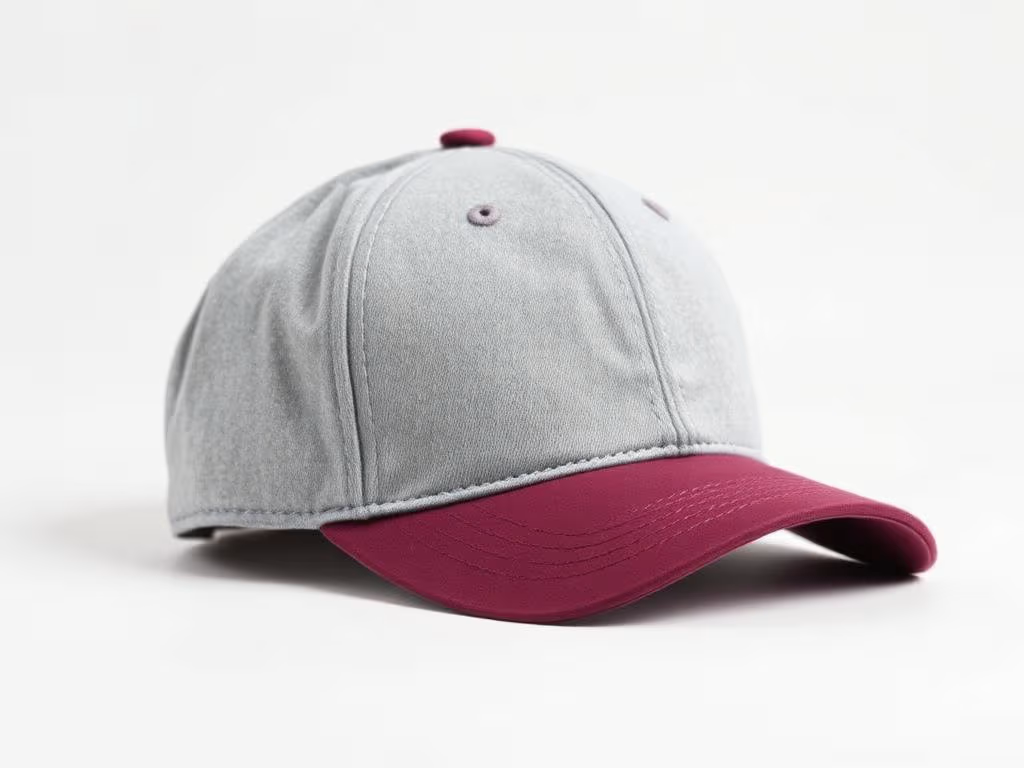
Caps with contrasting visors or buttons. These provide a built-in color palette that decorators can match their thread colors to, creating a cohesive and custom-looking product with minimal effort.
Structured caps dominate corporate, team, and promotional embroidery projects due to their shape retention and front panel stability. These styles support bold logos, dense fills, and 3D puff embroidery while maintaining professional appearance through repeated use and laundering.
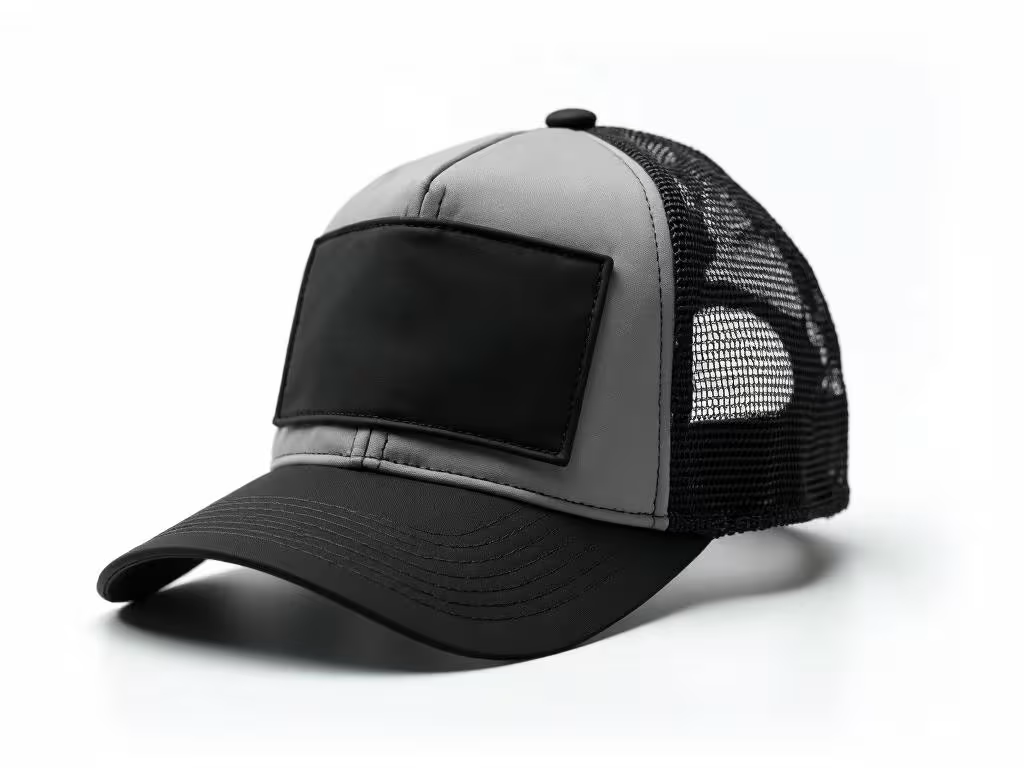
Foam-reinforced front panels (1-1.5 inches thick) paired with breathable mesh back ventilation; ideal for 2-4 inch wide embroidered patches or bold single/two-color logos; adjustable snapback ensures universal fit.
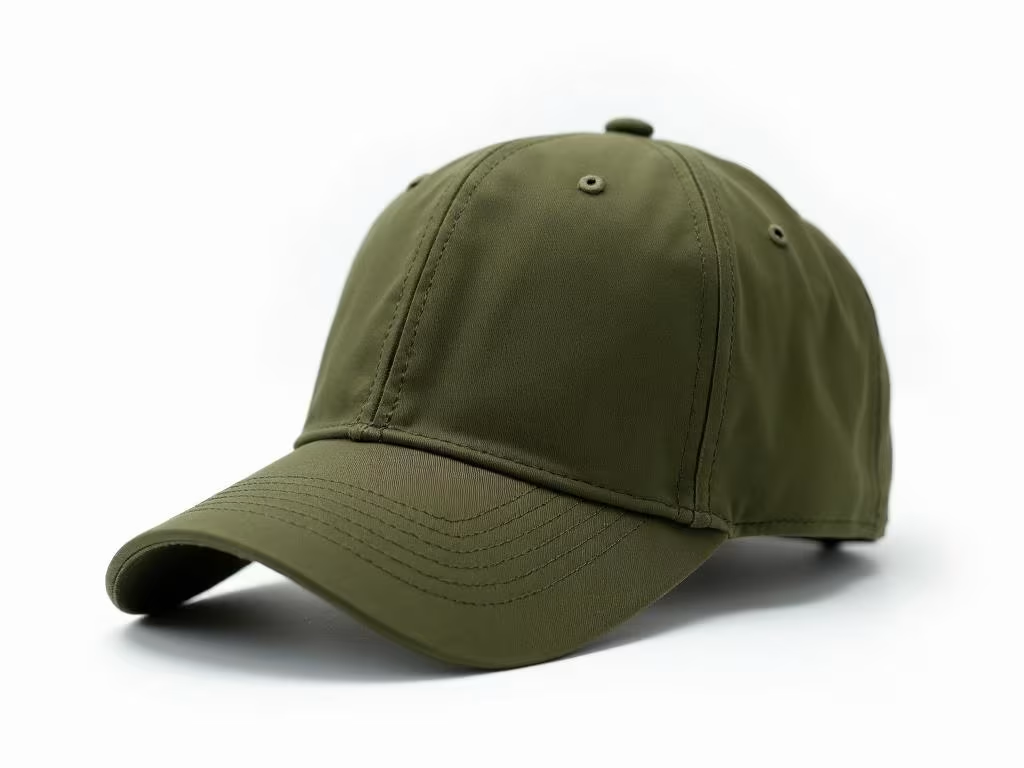
Balanced crown height (3.5-4 inches from sweatband to top) fits standard embroidery hoops without excessive tension; pre-curved bill reduces front panel distortion during hooping; versatile for most logo sizes and densities.
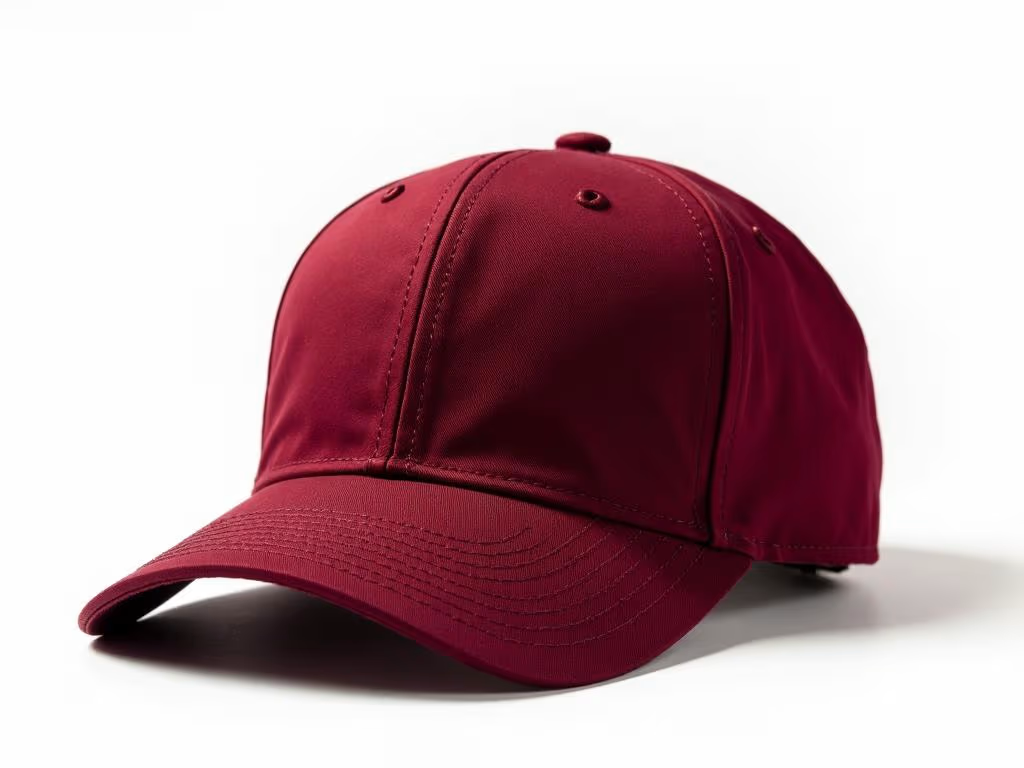
Compact crown height (3-3.5 inches) optimized for smaller embroidery hoops and detailed micro-logos (under 2.5 inches); excellent for lifestyle brands, retail merchandise, and applications requiring subtle yet professional embroidery
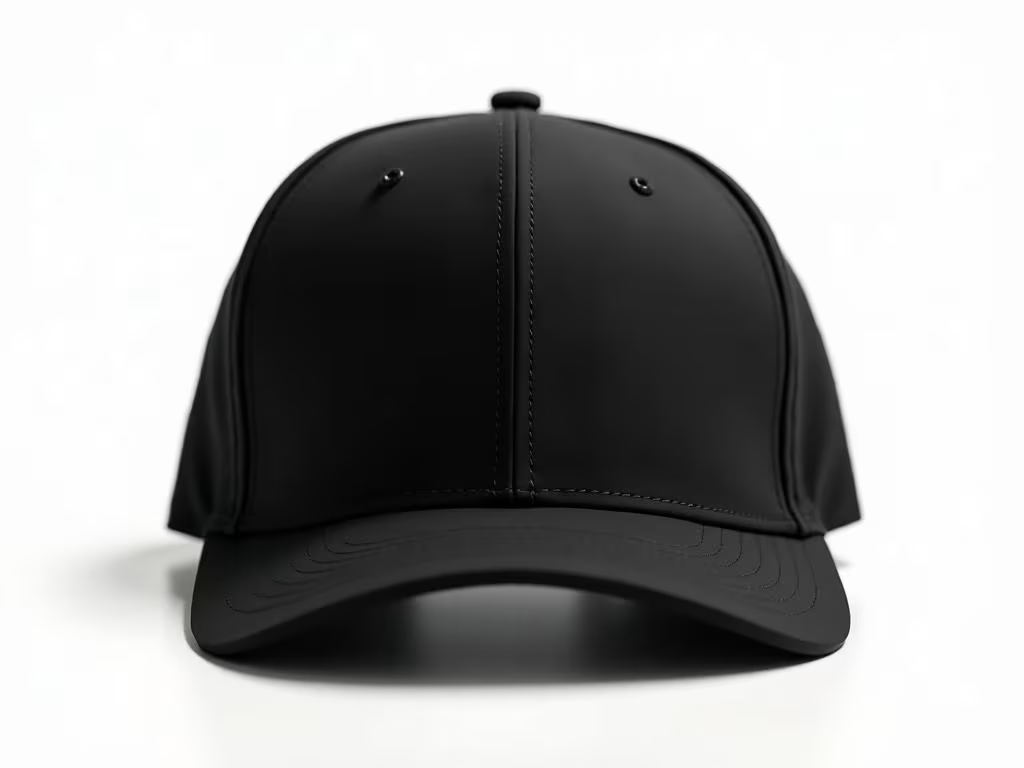
Seamless front panel eliminates center seam interference, providing uninterrupted 4-5 inch wide embroidery field; perfect for panoramic logos, sponsor arrays, or complex artwork spanning entire front surface; modern angular styling.
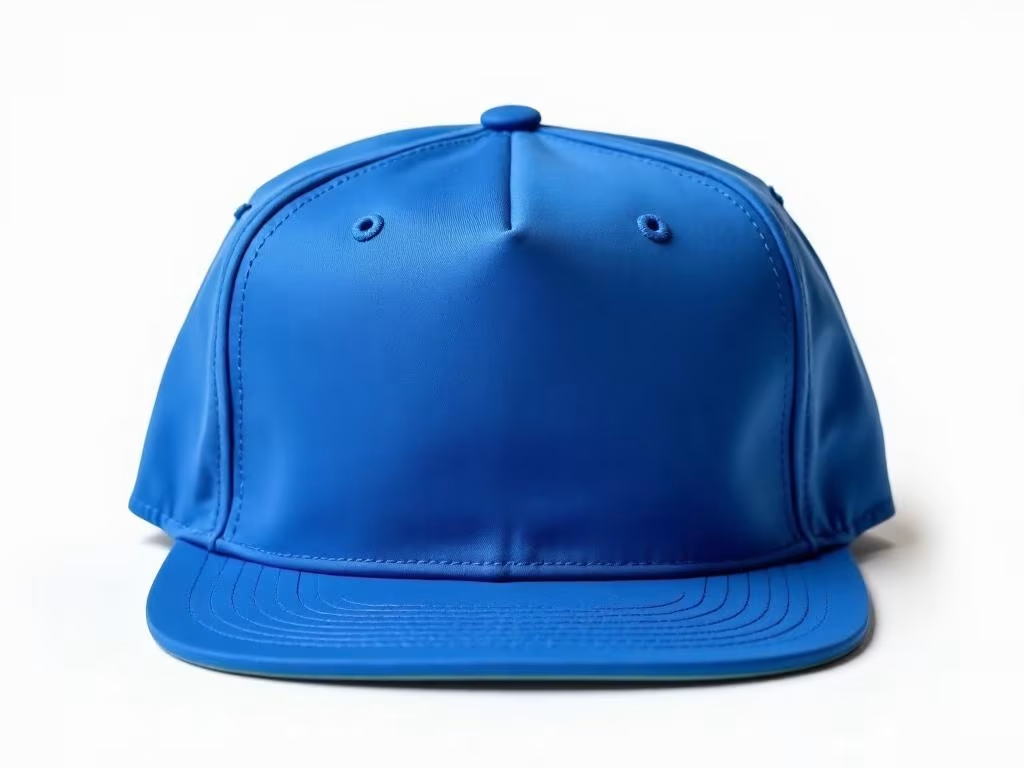
Firm plastic snap closure maintains consistent tension with structured front panels; supports high-density puff embroidery (6-8mm pile height) and 3D effects without panel collapse; popular for streetwear and youth team branding.
Knit beanies for embroidery and winter hats require specialized embroidery techniques due to their stretch, thickness, and organic shaping. Strategic placement on reinforced cuff areas and selection of medium-density knits produce durable seasonal branding that withstands stretching and washing.
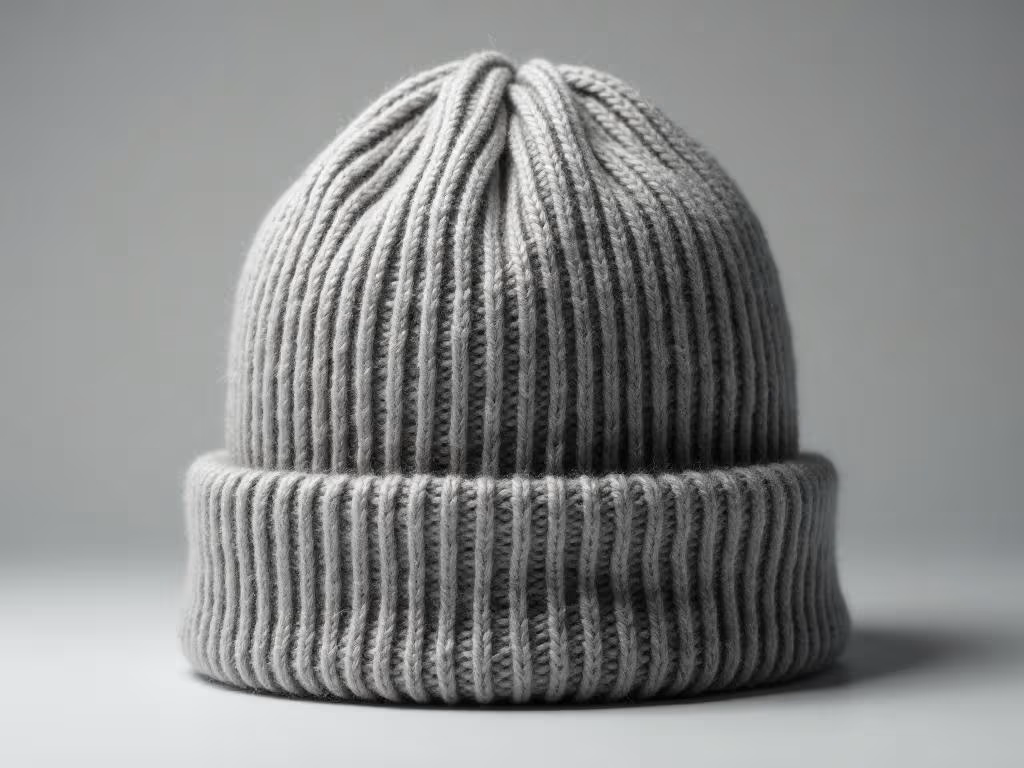
Fold-up cuff offers stable surface for 1.5-3″ Cuffed/rib-knit beanie
A 2-3 inch wide fold-up cuff creates a naturally dense, stable knit surface ideal for 1.5-3 inch text, logos, or icons. Embroidery positioned on the cuff maintains eye-level visibility even when the beanie is worn low on the forehead, utilising a 4-6mm stitch spacing.
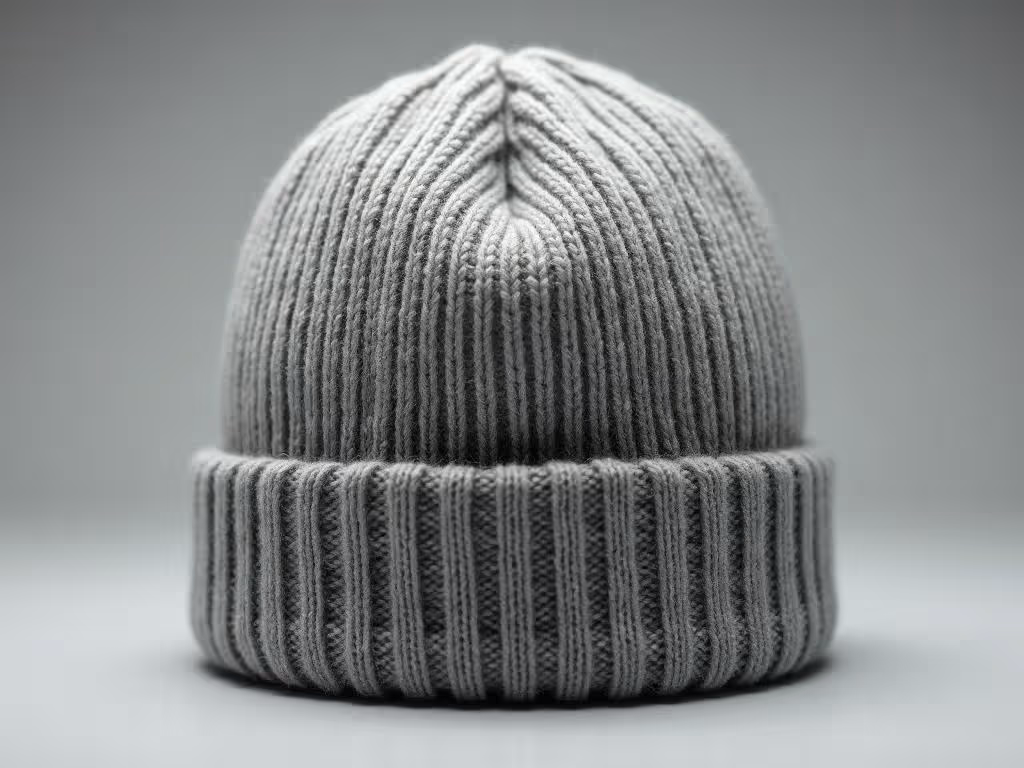
Medium-weight acrylic knit beanie
100% acrylic or 80/20 acrylic-wool blends (8-10 oz total weight) balance natural stretch with stitch retention; perfect for cursive text, monograms, or simple icons positioned 2 inches above bottom edge; machine washable up to 50 cycles.
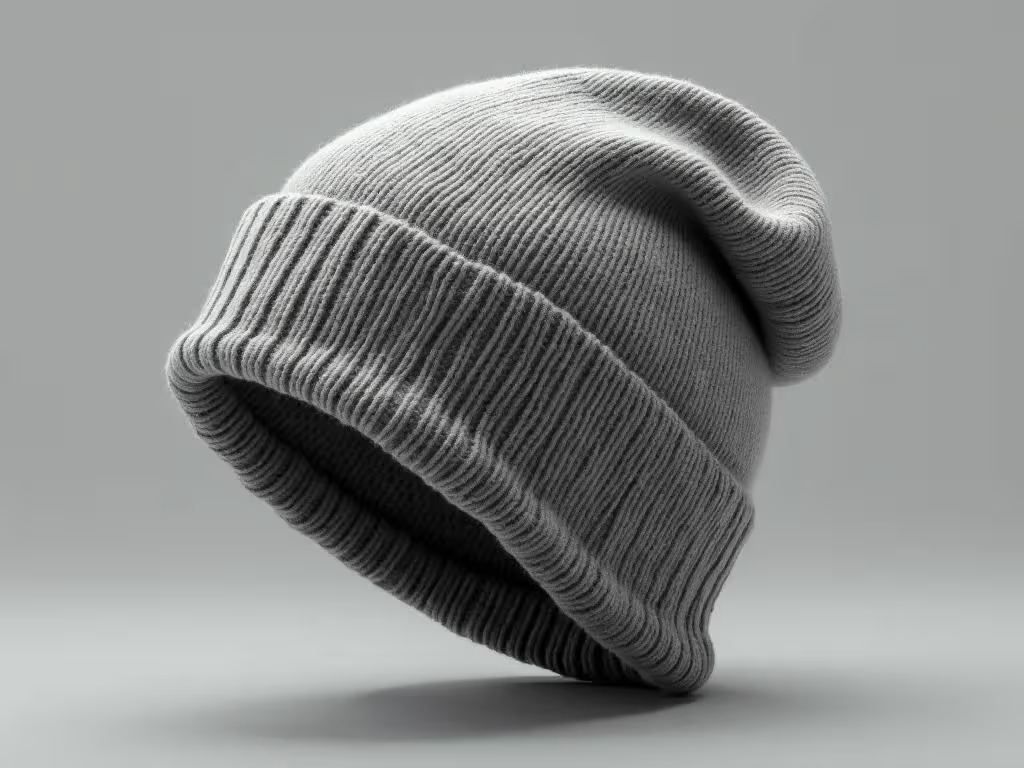
Single-layer medium-gauge acrylic knit supports lighter embroidery (1,500-3,000 stitches max); position designs 2-3 inches above bottom edge to avoid excessive stretching; ideal for organic, casual lifestyle branding
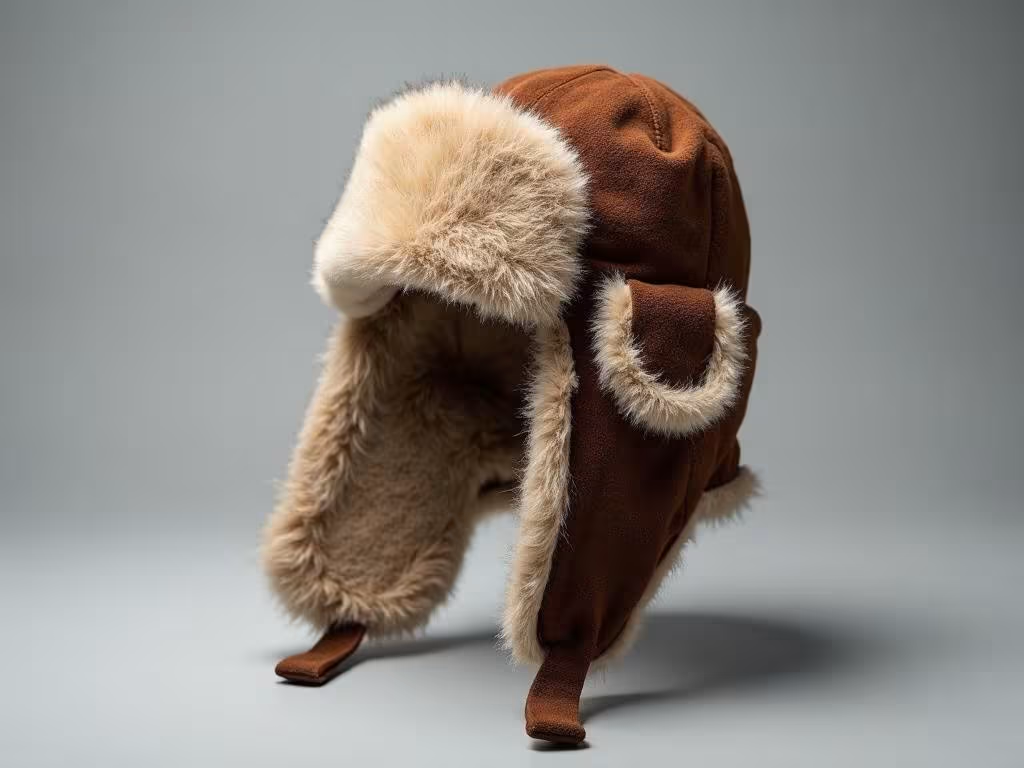
Wool or fleece-lined acrylic construction with dedicated 2×3 inch embroidery zones on earflaps or forehead band; supports larger embroidered patches or thermal-insulated logos; reinforced stitching prevents flap distortion.
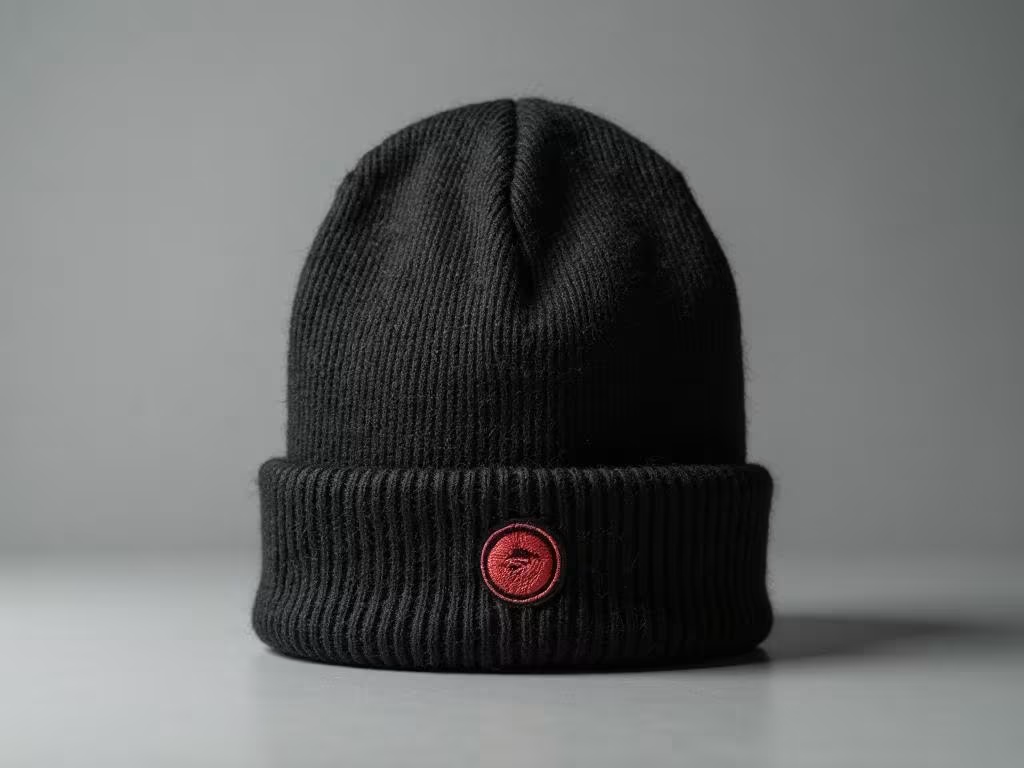
Cuff positioning elevates embroidery to natural eye level (2 inches above the wearer’s eyebrows). We recommend a 20% lower stitch density (5x5mm maximum spacing) and a maximum of 3,000 stitches to accommodate knit stretch without puckering.
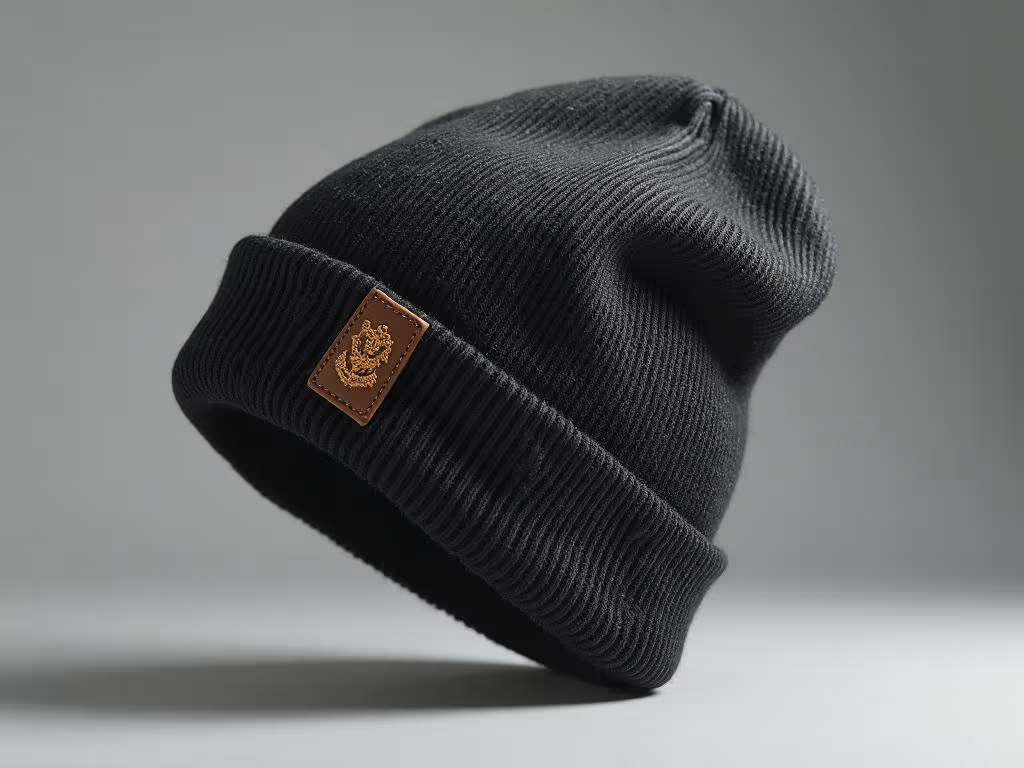
Specialized styles feature smoother knit panels or reinforced double-layer cuff areas, specifically engineered for 2.5×2.5-inch embroidered patches. Heat-activated adhesives or reinforced sewing prevent patch lifting after washing.
Fabric selection accounts for approximately 80% of embroidery success. Weave pattern, weight per square yard, stretch factor, and surface texture directly control stitch definition, thread tension, puckering resistance, and color retention through 50+ laundry cycles.
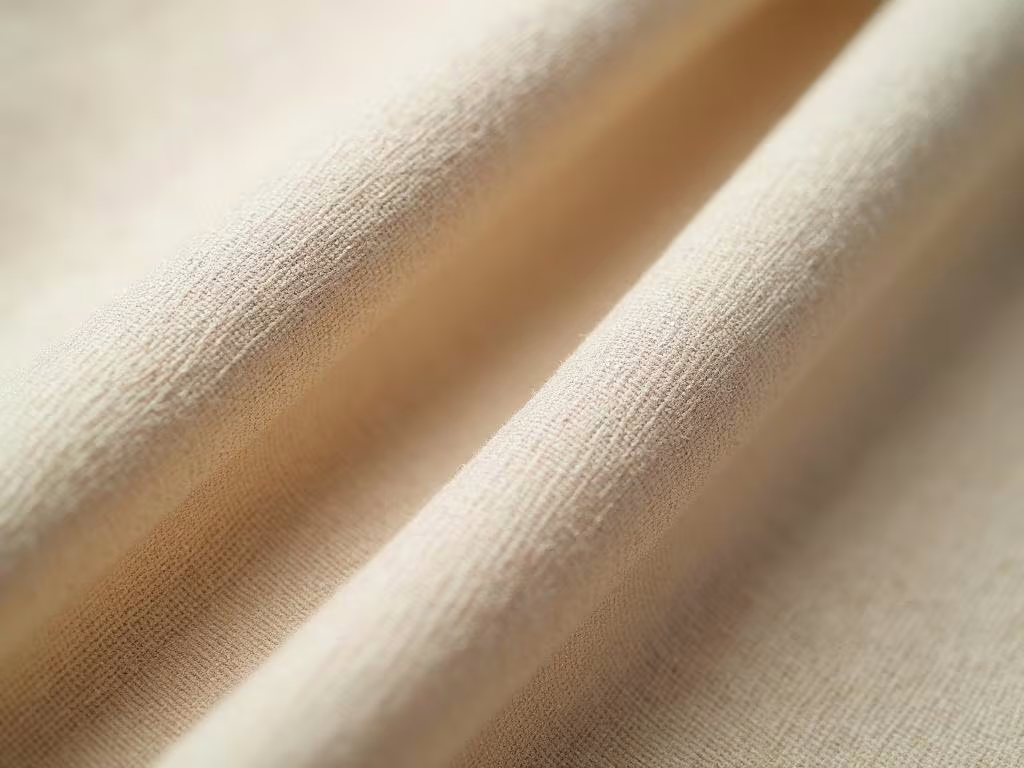
Tight diagonal weave (60 threads per inch minimum) resists puckering during dense fills; excellent for detailed 6,000 stitch logos; pre-wash recommended (3-5% shrinkage expected); holds shape through 75 industrial washes.
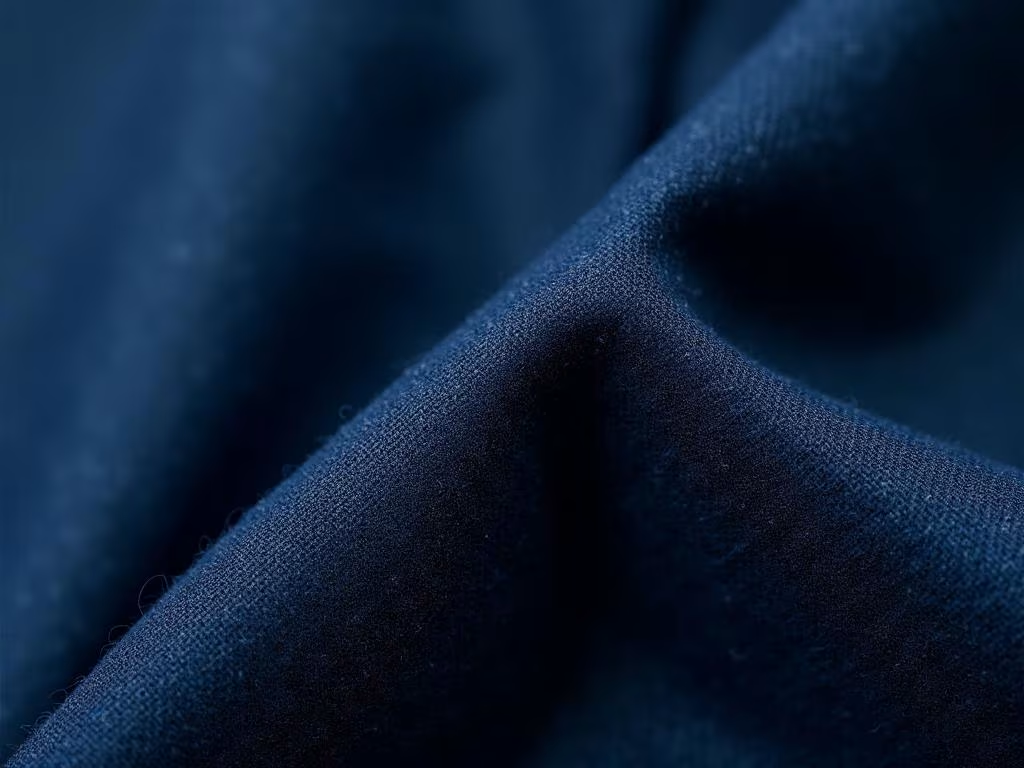
Combines twill stability with synthetic colorfastness (Delta E < 2.0 after 50 washes); handles 3D puff embroidery exceptionally well; reduced fading maintains Pantone accuracy through repeated consumer laundering.
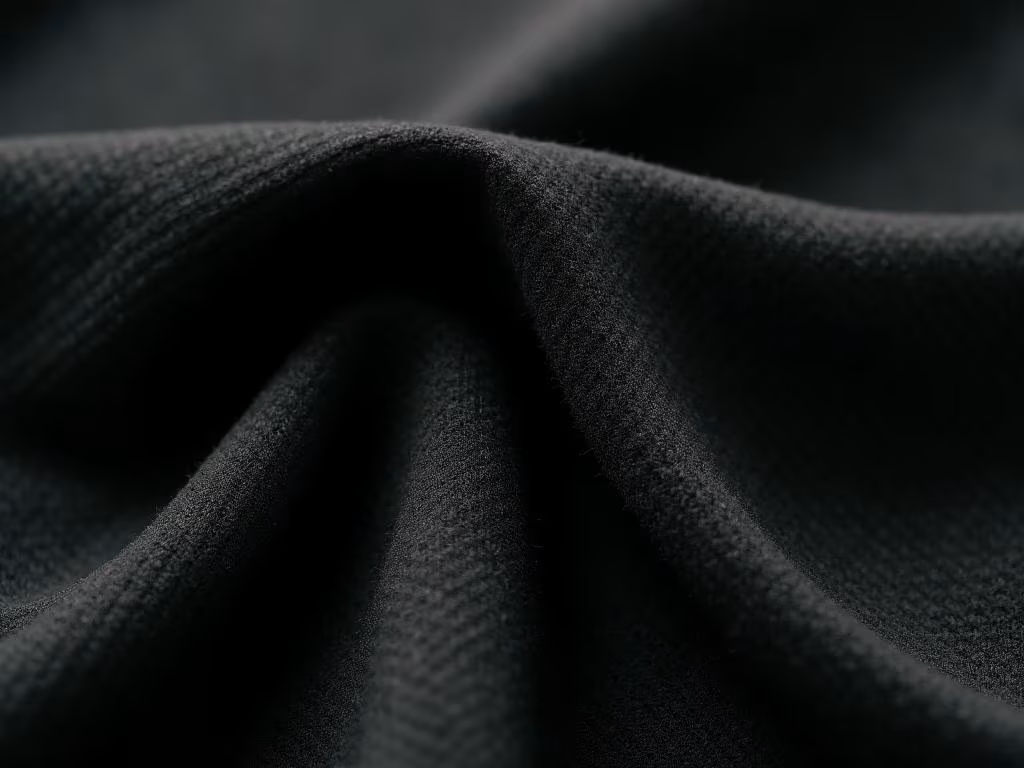
Ultra-smooth surface ideal for heat transfer applications under embroidery; minimal 5% stretch prevents design shifting during hooping; quick-drying properties suit activewear embroidery projects.
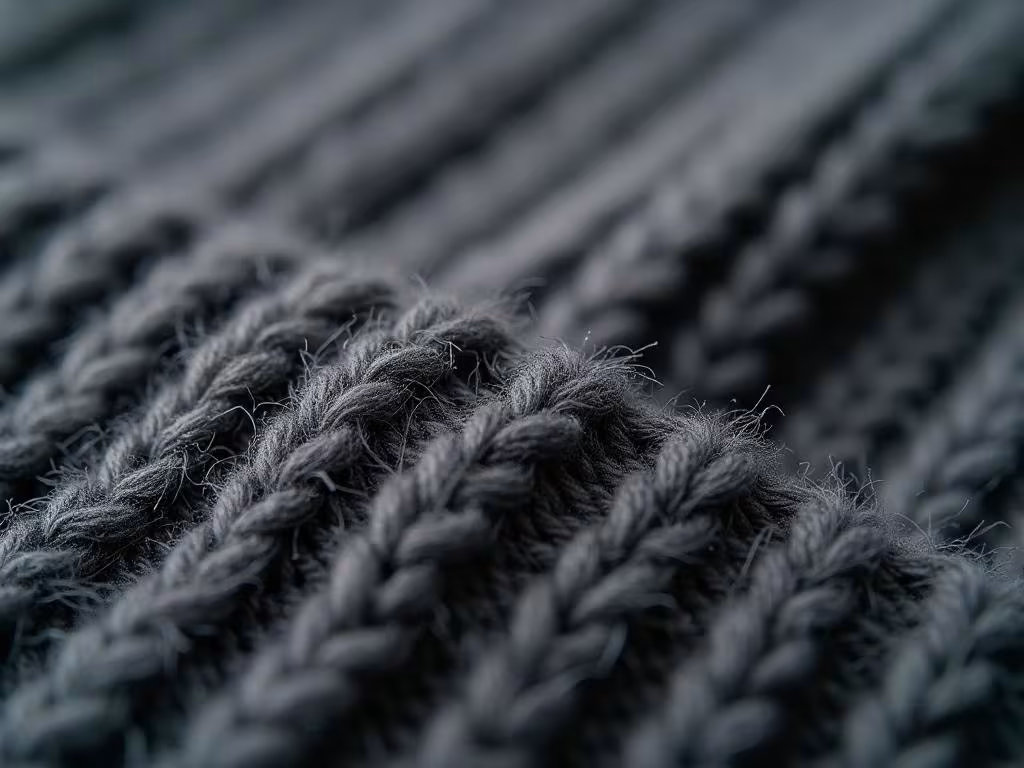
Medium-density 2/2 rib yarns hold 2,000-4,000 stitch designs securely; avoid loose 1×1 knits prone to 30% stitch dropout; maintains shape integrity through 40 tumble dry cycles.
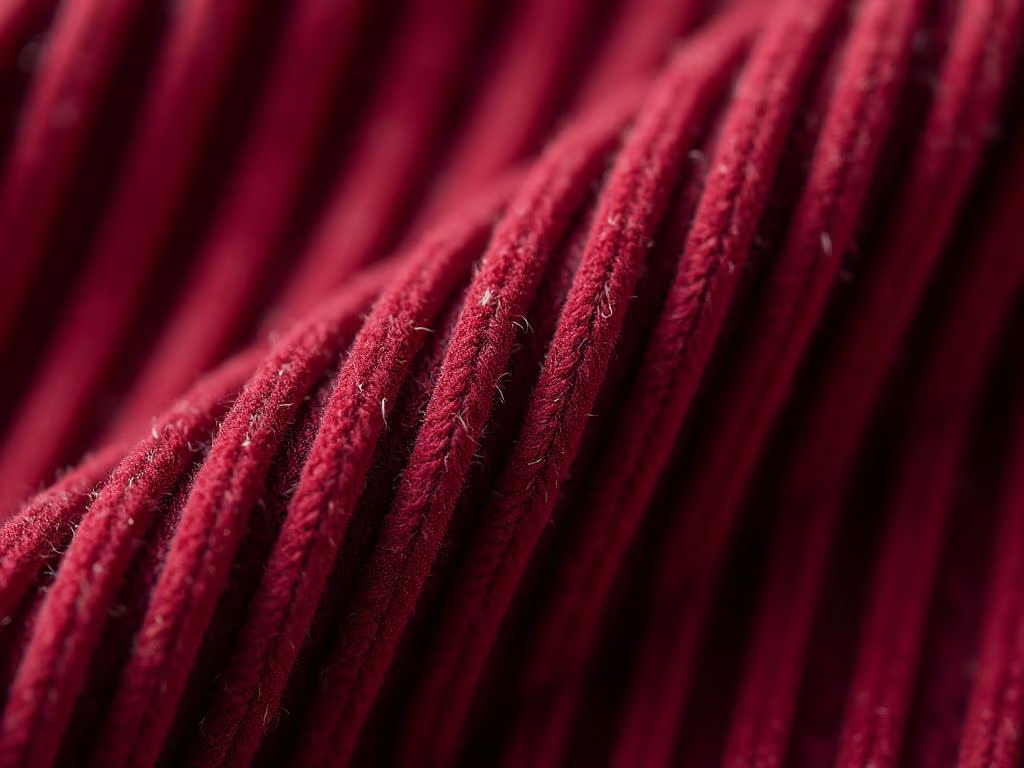
Wide wale corduroy (4-6 wales per inch) supports 3×3 inch patches; narrow 11-14 wale excels for detailed 1.5 inch text; requires 15% tension adjustment from twill baseline settings.
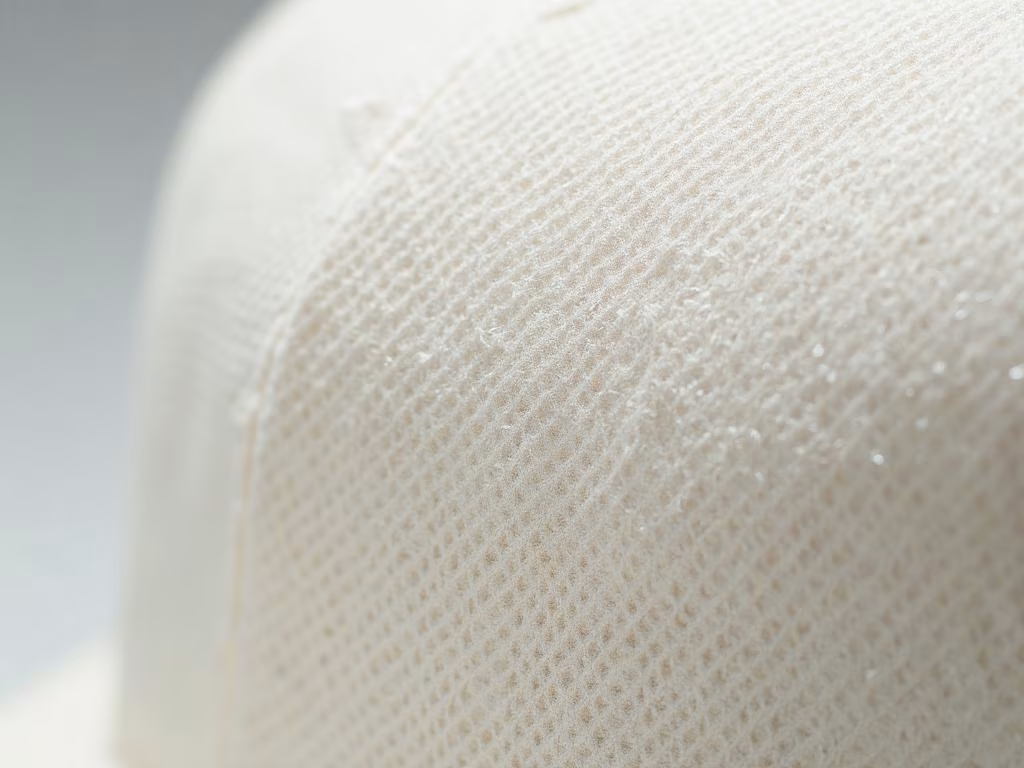
Mesh-back trucker panels considerations
Polyester mesh ventilation doesn’t interfere with front panel embroidery. One-inch-thick foam fronts require a 25% lighter density to prevent mesh breakthrough. The snapback closure maintains consistent tension.
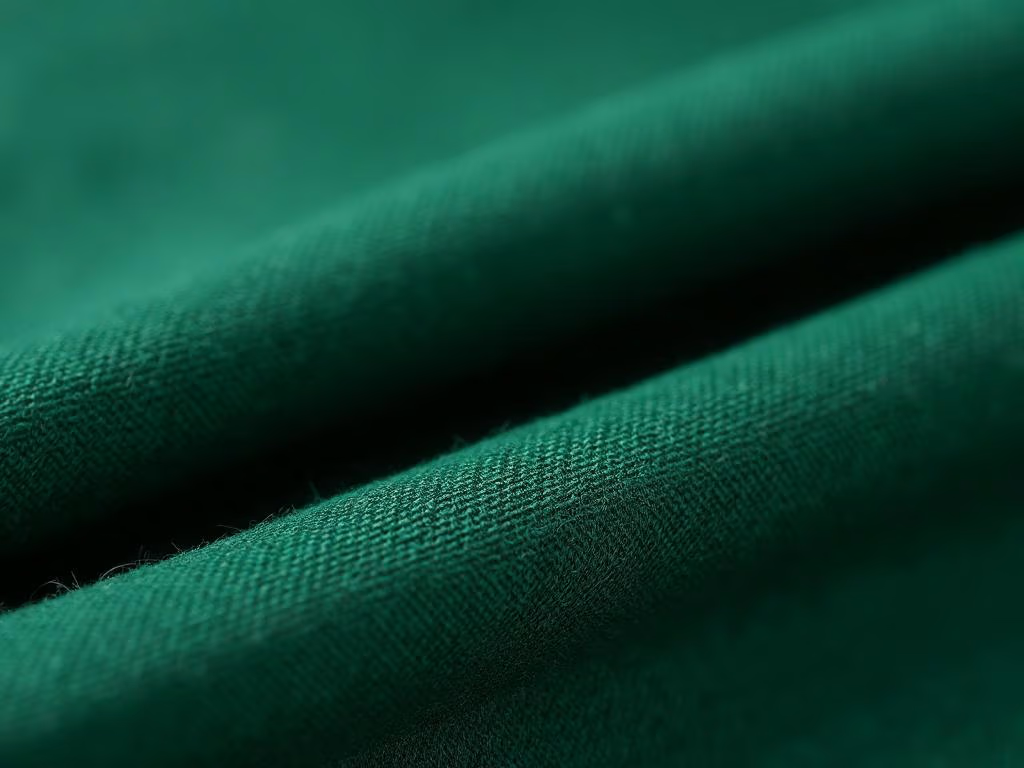
Structured crowns support 100% maximum density fills and gradients; unstructured cotton twill requires 20-30% density reduction to prevent fabric collapse when conformed to wearer’s head.
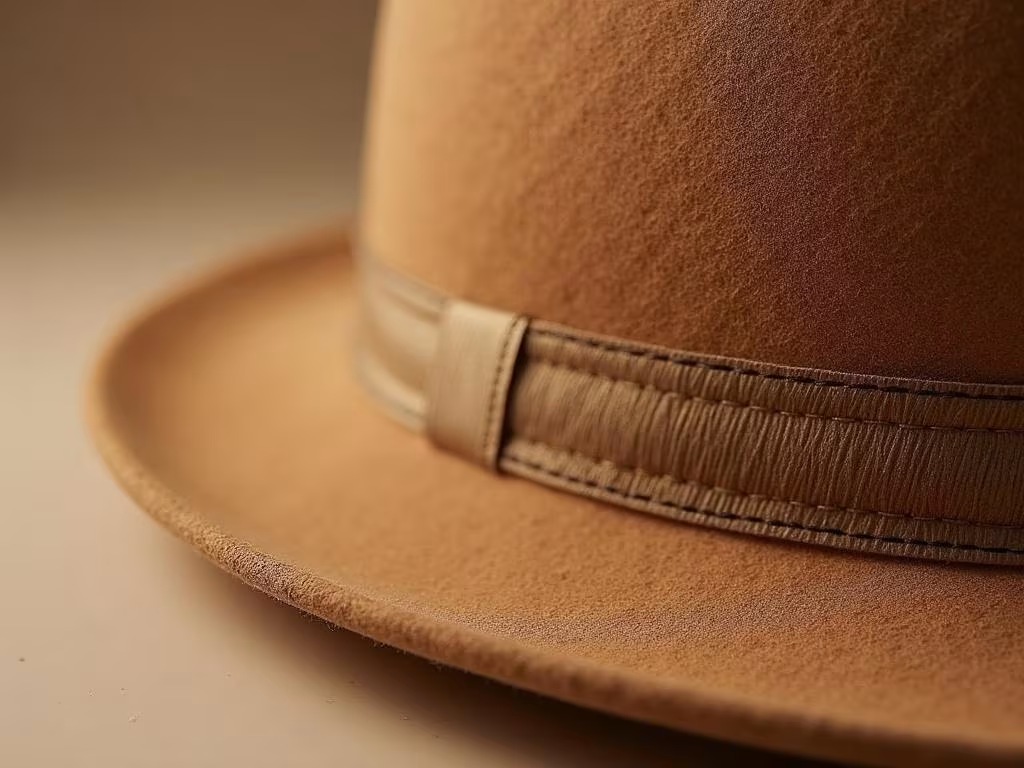
Bill construction impact Fabric-wrapped pre-curved bills (5-7 curve points) distribute hoop pressure evenly across 4-inch front panel; rigid plastic bills create localized distortion requiring backing stabilizer.
We are more than a supplier; we are a partner to print shops and decorators. We understand that your reputation depends on the quality of the blanks you use. Our wholesale program is built to support your production workflow.
We maintain deep inventory of core colors (Black, Navy, Charcoal, White). You can confidently list these items in your catalog knowing we can replenish your stock quickly.
Don’t guess. Order a sample pack of our blank hats for embroidery to test on your specific machines. Verify the hoop fit and stitch quality before committing to bulk.
We use strict lab controls to ensure color consistency. The hats you buy today will match the hats you buy next year, crucial for fulfilling repeat orders from corporate clients.
Protect your margins. Our pricing structure is designed for decorators, offering significant discounts for case quantities, allowing you to be competitive in your local market.
Everything you need to know about choosing hats for embroidery.
Embroidery-ready hats have stable front panels (often buckram-reinforced), tight-weave fabrics like cotton twill, proper crown height that fits embroidery hoops, and clear embroidery zones without obstructions. These features ensure clean, professional stitching that lasts.
Cotton twill (10-12 oz) is the gold standard, offering excellent stability and crisp stitch definition. Poly-cotton blends are also excellent for colorfastness. Avoid using very thin materials or slippery 100% polyester fabrics, as they can cause needle deflection.
Structured caps have buckram or similar reinforcement in the front panels, making them ideal for dense embroidery and 3D puff designs. Unstructured caps are softer and more casual, better suited for lighter embroidery or vintage-style designs.
Quality structured caps can handle 3,000-6,000 stitches comfortably. For larger logos (over 8,000 stitches), consider premium caps with extra reinforcement or split the design between front and side panels.
Yes! Cuffed rib-knit beanies work best, with the fold-up cuff providing a stable surface for 1.5-3″ designs. Use proper backing and slightly reduce stitch density to accommodate the stretch of knit fabrics.
Our experts can help you build the perfect inventory for your embroidery business. Get personalized recommendations based on your client base and production needs