Request a Quote
Ready to discuss your custom hat project? Please fill out the form or email us at info@keystonehats.com. Our team will respond within 6 hours.
 Skip to content
Ready to discuss your custom hat project? Please fill out the form or email us at info@keystonehats.com. Our team will respond within 6 hours.


Before you dive into your hat business, make sure there’s real demand. Use tools like Google Trends to spot rising interest in styles like trucker hats or eco-friendly bucket hats. Head over to Reddit and niche forums to read honest opinions and find what hat lovers rave about or complain about. Check out your competitors to see what’s selling and where there’s room to stand out.
Focus on micro-niches that are proven winners but still have space for new brands. Think custom embroidered trucker hats, eco-friendly bucket hats, or branded caps for events and sports—these niches tap into specific audiences and let you play with unique designs.
Profile your target audience carefully. Ask yourself: What age group do I want to reach? Are they into athletics, streetwear, or sustainable fashion? Understanding their interests and style preferences will guide your designs and marketing.
Finally, perform a quick SWOT analysis on your niche idea:
Run a design analysis too—look at current trends like minimalist logos or bold embroidery. This groundwork ensures you pick a niche that is not just trendy but profitable, sustainable, and tailored to your ideal customers.
Start here and you’ll avoid costly mistakes later. Brands like KeyStoneHats nailed their niche by focusing on custom embroidery and strong lifestyle branding—learn from that success.
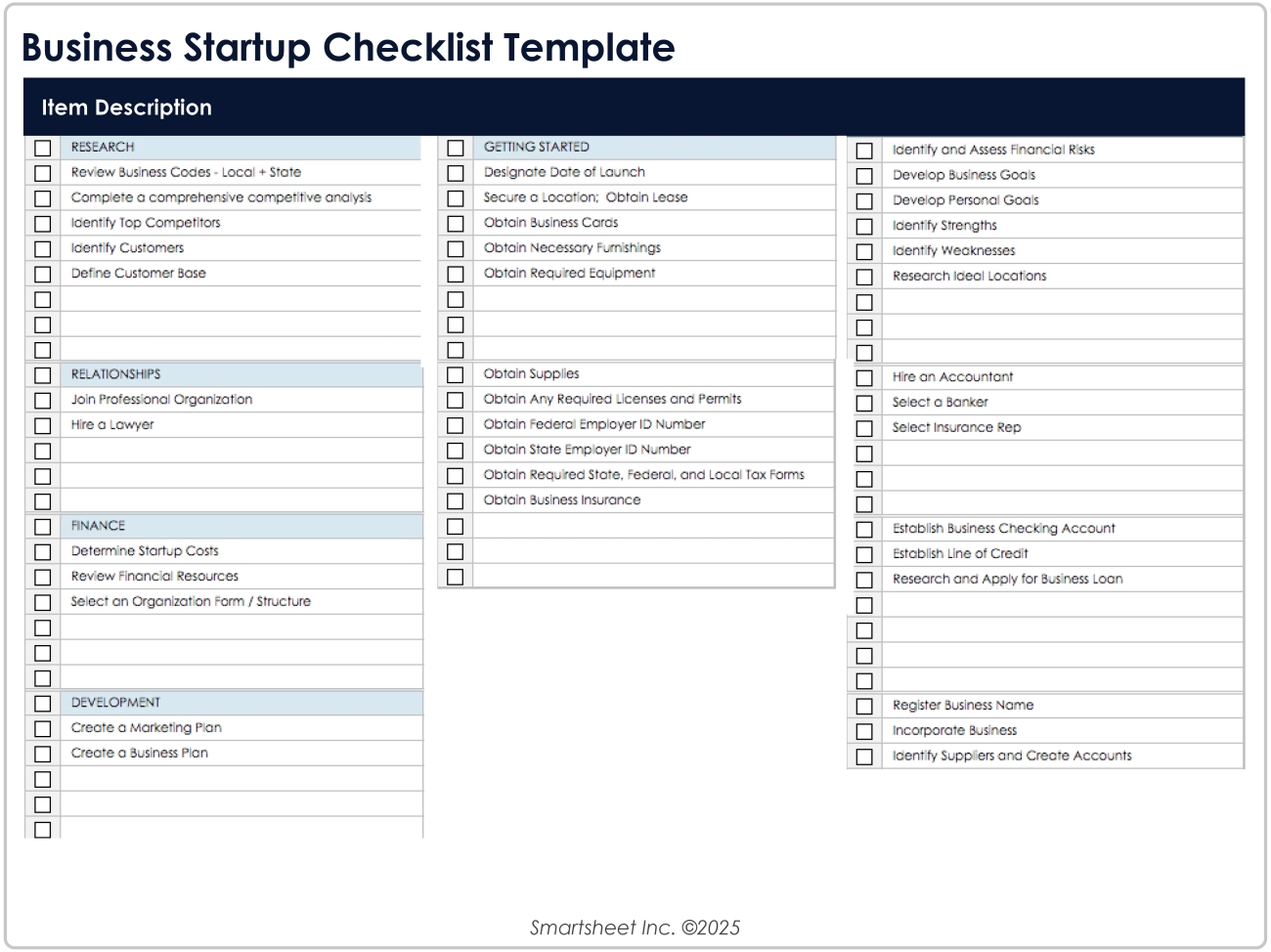
A solid business plan is your roadmap to success when starting a hat business. Start by writing an executive that clearly states your mission and goals. Include detailed financial projections that cover your expected expenses, revenue, and profits for the first year. Setting realistic first-year goals helps keep your progress on track.
Break down your startup costs carefully. Decide whether you’ll use a print on demand (POD) model, which reduces upfront inventory costs but has lower margins, or invest in inventory, which requires more capital but offers better control and profitability. Knowing the difference is crucial for budgeting.
Don’t skip the legal setup. Register your business as an LLC or the structure that fits you best, get an Employer Identification Number (EIN) for taxes, and consider trademarking your brand name and logo to protect your identity.
To make it easier, use downloadable business plan templates tailored for hat startups. These tools help you organize your thoughts and make sure you cover everything from marketing strategies to financial details. Taking these steps early sets you up for a strong launch.

Creating a strong brand identity is key to standing out in the hat business. Start by choosing a memorable brand name and logo that feel bold and timeless—think classic styles that appeal broadly but also have a modern edge.
Next, develop your visual assets:
Your unique selling proposition (USP) should focus on what sets you apart. For example:
| USP Element | Description |
|---|---|
| Premium customization | Offer personalized embroidery or patches for a custom hat feel |
| Fast shipping | Guarantee quick order turnaround to satisfy online shoppers |
| Quality materials | Use durable, comfortable hats that last |
Keep your brand identity consistent across your website, social channels, and packaging to build trust and recognition among U.S. customers. This approach helps you connect with those who value style, quality, and personalized service in a competitive hat market.
Start by choosing popular hat styles that sell well in the U.S. market like baseball caps, snapbacks, beanies, dad hats, and trucker hats. These are favorites for custom and branded hats, so picking the right style is key to catching your audience’s eye.
For design, use simple tools like Canva if you’re just starting out, or Adobe Illustrator for more professional, detailed work. Keep up with hat trends like minimalist logos and bold embroidery—both are hot right now and appeal to different buyer groups. Think about what fits your niche best, whether that’s sleek, clean designs or eye-catching stitched patterns.
When it comes to sourcing, you have a few options:
Make a quality checklist that covers material feel, stitch quality, color accuracy, and durability. Always vet suppliers carefully — order samples first to check the product before committing. Good sourcing sets the foundation for your hat business’s reputation and customer satisfaction.

When starting your hat business, picking the right production and fulfillment method is crucial. Here’s a quick look at the three main options and how they stack up:
| Method | Pros | Cons | Cost Considerations | Scalability | Inventory Risk |
|---|---|---|---|---|---|
| Print on Demand (POD) | Low upfront cost No inventory needed Easy to test designs | Lower profit margin Longer shipping times | Pay per order No bulk discounts | Easy to scale quickly | Minimal, since no inventory |
| Wholesale | Lower cost per unit Better profit margins | Large upfront investment Storage needed | Bulk purchase and storage costs | Scalable but riskier | Higher risk due to inventory |
| In-House Production | Full control over quality Faster turnaround | High setup cost Requires equipment and skills | Equipment and labor costs | Limited by capacity | Inventory held on site |
Choosing the right production and fulfillment method affects costs, customer experience, and your business’s ability to grow. For custom hats tailored to businesses, consider working with trusted partners—see options for custom hats for business that balance quality and speed.

Choosing the right platform to launch your hat business is key. Here’s a quick look at popular options:
| Platform | Best For | Pros | Cons |
|---|---|---|---|
| Shopify | Scalability, growth | Easy to scale, lots of apps | Monthly fees |
| Etsy | Handmade, niche items | Built-in audience, simple | Limited customization |
| WooCommerce | Full control | No platform fees | Requires hosting and setup |
To make your store stand out, integrate apps that help with:
Optimize product pages with:
This approach helps shoppers feel confident and improves your chances of making sales. For sourcing quality hats and customization, check out options like Keystone Hats for custom hats for business needs that fit perfectly into your online store setup.
When figuring out how to price your hats, a simple formula comes in handy: cost plus markup. Add up what it costs you to make or buy the hat—including materials, printing, shipping, and fees—then add a markup that covers your profit and business expenses. Most hat brands aim for a markup between 50-100%, depending on their market.
Next, do a break-even analysis to see how many hats you need to sell before you start making real profit. This means dividing your fixed costs (like website fees, marketing, and legal setup) by the difference between your price and variable costs per hat. Knowing this number helps set realistic sales goals for your first year.
Here are answers to pricing questions many new hat brands ask:
By keeping your pricing clear and aligned with your costs and market, you set your hat business up for solid profits and growth.
To get your hat business noticed, focus on smart marketing and sales tactics that connect with your target audience. Start by using SEO to make sure people find your store when they search for custom hat brands, trucker hat business ideas, or dad hat brand launches online. Blogging about hat trends, styling tips, and niche-specific content can also drive organic traffic.
Social media is a must. Platforms like Instagram, TikTok, and Pinterest work great for visually showing off your hats. Use short videos, reels, and eye-catching posts to engage followers. Collaborate with influencers who fit your brand vibe—they can help spread the word fast.
Create special offers like bundle deals or limited-edition hats to encourage bigger orders. Paid ads on Facebook and Instagram can boost visibility, but start small and test what works. Don’t overlook email and SMS marketing to keep buyers coming back. Set up loyalty programs for repeat customers to build a solid base.
Mixing these strategies will help grow your hat business steadily and profitably in the US market.
Getting your hat business off the ground means starting small. Place test orders to check the quality and see how your customers respond. Use their feedback to improve your products and service.
Keep your operations smooth by managing sales tax correctly, tracking your inventory, and providing great customer service. These basics help avoid headaches as you grow.
Once your brand is steady, consider scaling by:
Taking these steps gradually helps you grow without stretching resources too thin. Focus on steady growth backed by real data and customer input. For custom hat business ideas and tips on selling branded caps, check out trusted suppliers and strategies like those at Keystone Hats to ensure quality and reliability.
Tracking key metrics is crucial once your hat business is running. Focus on measuring:
Keeping an eye on these numbers helps you spot what’s working and what’s not.
Avoid common pitfalls like:
Learning from real POD (print on demand) success stories can be a big help. Many brands grew by testing small batches, listening to customers, and adjusting quickly.
For more insights, check out smart ways to launch your custom hat brand with proven strategies to keep costs low and satisfaction high.
Tracking your performance closely and avoiding these mistakes will keep your hat business profitable and growing steadily.
 Optimized by Seraphinite Accelerator